
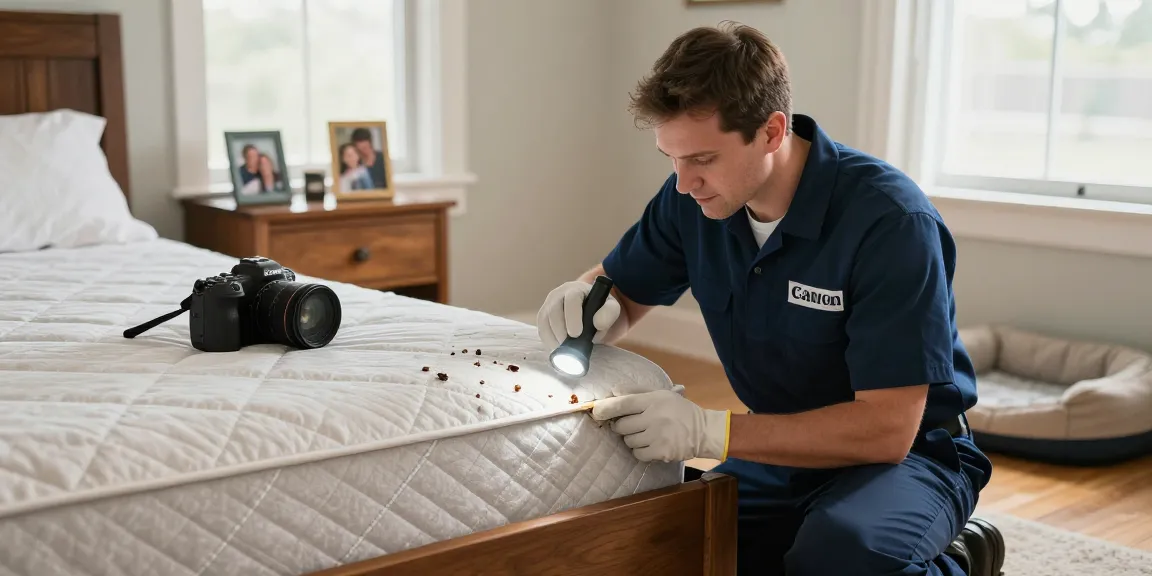
Understanding Bed Bug Infestations
Bed bugs are an increasingly common problem for households and businesses alike, particularly in urban settings where close living conditions are prevalent. Their small, elusive nature and remarkable resilience make them challenging pests to eradicate. To effectively address a bed bug infestation, it’s crucial to understand their biology, behavior, and the signs of their presence. Without this knowledge, homeowners may struggle to identify and treat these unwanted guests promptly and effectively.
When exploring options, bed bug treatment services can provide comprehensive insights into dealing with infestations and preventing future issues. By educating yourself on the subject, you can protect your home and family from the health risks associated with bed bugs.
What Are Bed Bugs and How Do They Infest Homes?
Bed bugs (Cimex lectularius) are small, reddish-brown insects that feed primarily on human blood, usually during the night. These pests can easily hitch rides on clothing, luggage, or even used furniture, making them adept travelers. Their ability to thrive in various environments, coupled with their rapid reproduction rates, means that an infestation can escalate quickly if not addressed.
A female bed bug can lay up to 500 eggs in her lifetime, which hatch into nymphs capable of breeding within weeks. This means that even a small number of bed bugs can lead to a substantial population in a short amount of time.
Common Signs of Bed Bug Infestations
Identifying bed bugs early is critical in preventing a full-blown infestation. Common signs include:
- Itchy Welts: Many people have allergic reactions to bed bug bites, resulting in red, itchy welts on the skin.
- Blood Stains: Dark or red stains on sheets and mattresses indicate blood from crushed bed bugs.
- Dark Spots: Small dark spots (bed bug excrement) may be seen on mattress seams and in their hiding areas.
- Eggs and Skins: Finding tiny white eggs or shed skins in your bedroom can also indicate a bed bug presence.
Impact of Bed Bugs on Health and Well-being
While bed bugs are not known to transmit diseases, their bites can cause discomfort and significant psychological stress. Sleep disturbance is common among those suffering from infestations, leading to anxiety and depression. In some cases, severe allergic reactions may occur, necessitating medical attention.
Effective Bed Bug Treatment Options
When faced with a bed bug infestation, there are several treatment options to consider. Each method has its advantages and disadvantages, and the best approach often involves a combination of strategies. Understanding these options can help you make informed choices about your pest control needs.
Traditional Chemical Treatments: Pros and Cons
Chemical treatments remain a popular choice for bed bug extermination. These treatments often involve residual insecticides that can kill bed bugs on contact or via ingestion. However, there are pros and cons associated with this method:
- Pros: Quick action and long-lasting effects, with some products providing residual protection for up to 120 days.
- Cons: Potential health risks to humans and pets, and the possibility of bed bugs developing resistance to certain chemicals.
Innovative Heat Treatment Techniques
Heat treatment is another effective method for combating bed bugs. This process involves raising the temperature in an infested area to levels lethal for bed bugs and their eggs. While this method can be highly effective and eco-friendly, it often requires professional application to ensure thorough coverage.
Benefits of heat treatment include:
- Non-toxic solution, making it safe for humans and pets.
- Kills all life stages of bed bugs in one go, including eggs.
- Minimal preparation required in many cases.
Combining Treatments for Optimal Results
For the best results, many pest control professionals recommend a combination of heat and chemical treatments. This multifaceted approach not only helps to eliminate existing pests but also reduces the chances of a re-infestation, providing long-term peace of mind.
Preventative Measures Against Bed Bugs
Preventing bed bugs from entering your home in the first place is the most effective strategy. Here are several measures you can take to minimize your risk:
How to Inspect Your Home Regularly
Regular inspections can catch bed bugs before they become a larger problem. Focus on areas where bed bugs are most likely to hide, including:
- Mattresses and box springs
- Bed frames and headboards
- Cracks in walls and floorboards
- Furniture and curtains
Look for signs of infestations such as blood spots, shed skins, and live insects.
Best Practices for Travel to Avoid Bed Bugs
Travelers are often at risk of bringing bed bugs back to their homes. To minimize this risk, consider these practices:
- Inspect hotel rooms for signs of bed bugs before unpacking.
- Keep luggage off the floor and beds, ideally on luggage racks.
- Store clothing in sealed plastic bags while traveling.
- Wash and dry your clothes on high heat upon returning home.
Effective Home Maintenance Tips
Maintaining a clutter-free environment makes it easier to spot bed bugs and reduces hiding places. Regular cleaning and vacuuming, particularly in sleeping areas, can help keep infestations at bay.
Choosing the Right Exterminator
When faced with a bed bug issue, selecting the right exterminator is key to ensuring a successful treatment plan. Here are some tips for making the right choice:
What to Look for in a Bed Bug Exterminator
Reputable exterminators should have the appropriate licensing and certifications, along with a proven track record in bed bug control. Look for companies that offer comprehensive treatment plans tailored to your specific needs.
Understanding Treatment Plans and Costs
Different exterminators may offer varying treatment plans and costs. Ensure you understand what’s included in the service and ask about any guarantee options. Some companies may charge more upfront but provide longer-lasting results, which could save money in the long run.
Customer Reviews and Success Stories
Research customer reviews and testimonials to gauge the effectiveness of different exterminators. Success stories can provide insights into the quality of service and the types of treatments offered by various companies.
The Future of Bed Bug Treatments
As bed bugs become more prevalent, advancements in treatment methods are emerging to combat these pests more effectively.
Emerging Technologies in Pest Control
The pest control industry is beginning to utilize technology such as thermal imaging cameras to detect bed bug hotspots, making inspections more efficient. Additionally, innovations in pest control products aim to provide longer-lasting effects with reduced toxicity.
Trends Shaping the Future of Bed Bug Management
As public awareness of bed bug issues increases, more resources are being allocated towards research and education. Future trends may include more eco-friendly treatments and public health initiatives aimed at reducing infestations.
Preparing for 2026: What to Expect in Bed Bug Treatments
As we approach 2026, expect to see a greater emphasis on integrated pest management strategies that combine various treatment methods for optimal effectiveness. Moreover, advancements in chemical formulations may lead to more sustainable and efficient solutions for tackling bed bugs.
What treatments work best for bed bug infestations?
The most effective treatments usually involve a combination of chemical and heat options that target all life stages of bed bugs, ensuring complete eradication.
How can I prevent bed bugs in my home?
Regular inspections, cleaning, and being cautious when traveling are key strategies for preventing bed bug infestations.
Are DIY bed bug treatments effective?
While some DIY methods can provide temporary relief, they are often not sufficient for completely eliminating an established infestation. Professional treatments are recommended for severe cases.
What signs should I look for to detect bed bugs?
Look for itchy welts, blood stains on bedding, dark spots from excrement, and eggs or shed skins in your sleeping areas.
How long does a bed bug treatment typically take?
The duration of treatment can vary based on the methods used, but most professional treatments take a few hours, while complete eradication may take several weeks, depending on the severity of the infestation.