
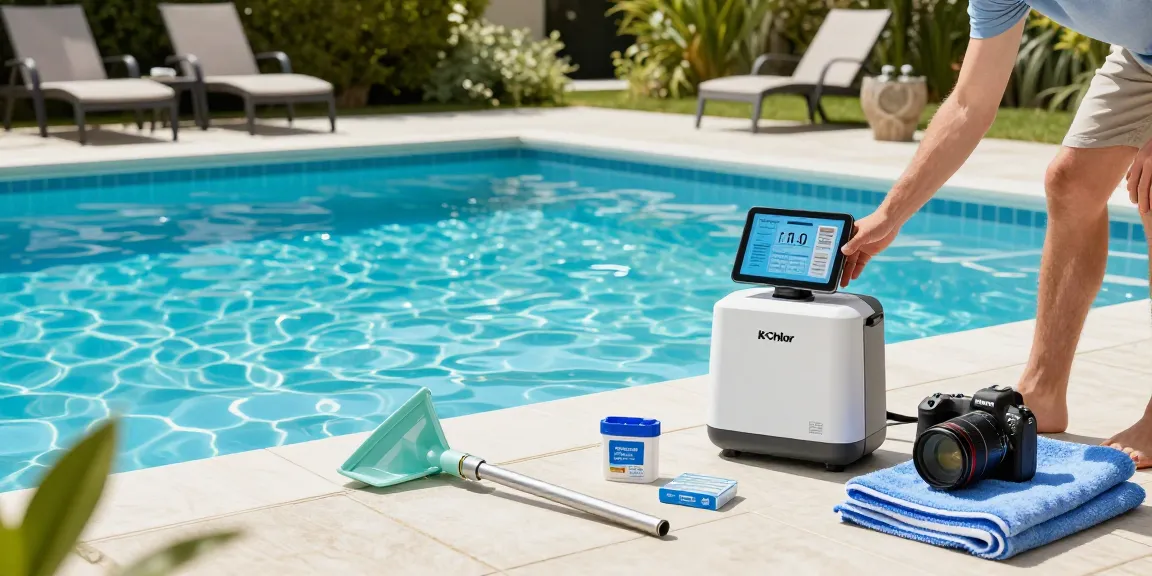
Understanding Salt Water Chlorinators
Swimming pool owners increasingly turn to salt water chlorinators as a reliable and efficient method for keeping their pools clean and safe. These devices simplify the chlorination process by converting salt into chlorine automatically, significantly reducing the need for manual chemical handling. In Australia, where the climate and outdoor lifestyle promote regular pool use, investing in a salt water chlorinator is a practical solution for maintaining clear and sanitized water. When exploring options, best salt water chlorinator products include advanced models like the K-Chlor Digital Gold Series, known for its performance and reliability.
What is a Salt Water Chlorinator?
A salt water chlorinator is a device designed to convert dissolved salt in the pool water into chlorine through a process called electrolysis. This innovation eliminates the necessity to add liquid or granular chlorine manually, ensuring consistent chlorine levels. These systems are popular among pool owners looking to streamline maintenance and enhance water quality.
How Do Salt Water Chlorinators Work?
The fundamental operation of a salt water chlorinator involves a salt cell that contains electrodes. When water passes through the salt cell, an electrical current is applied to the electrodes, which ionizes the salt in the water, producing chlorine gas. This gas then dissolves back into the water, transforming into hypochlorous acid, which is the active ingredient that sanitizes the pool. The system continuously cycles, maintaining optimal chlorine levels as long as there is salt in the water.
Benefits of Using a Salt Water Chlorinator
- Reduced Chemical Exposure: Salt water chlorination minimizes the handling of harsh chemicals, making it safer for users.
- Consistent Water Quality: Automated chlorine production helps maintain stable chlorine levels, reducing the risk of fluctuations that can lead to algae growth.
- Gentler on Skin: Salt water pools are known to be kinder on the skin and eyes compared to traditional chlorine pools.
- Lower Long-Term Costs: Although the initial investment may be higher, salt water systems can save money over time by reducing overall chemical expenditures.
- Ease of Maintenance: These systems often feature self-cleaning cells, which help prolong the life of the chlorinator and decrease maintenance frequency.
Choosing the Best Salt Water Chlorinator for Your Pool
When selecting the best salt water chlorinator for your pool, it is essential to consider various factors such as pool size, water chemistry, and specific features offered by different brands. Understanding what to look for can significantly enhance your pool experience.
Top Features to Look For
- Self-Cleaning Function: This feature reduces calcium buildup, extending the chlorinator’s lifespan and reducing manual cleaning efforts.
- Digital Control Panel: A user-friendly interface allows for easier monitoring and adjustments to chlorine production levels.
- Durability: Look for models constructed from high-quality materials designed to withstand the Australian climate.
- Flow Rate: Ensure the chlorinator can handle your pool’s water capacity efficiently to maintain proper sanitation levels.
Comparing Popular Brands
Australia’s market features several reputable brands offering salt water chlorinators. Notable names include K-Chlor, Hayward, and Pentair. Each brand comes with unique features, reliability ratings, and user feedback, making it essential to compare them before deciding.
Evaluating Your Pool Size and Type
The size and type of your pool directly influence the chlorinator model you should choose. For instance, larger pools may require higher output models, while smaller or above-ground pools might be adequately serviced by entry-level systems. Consider consulting with an expert to assess your pool’s needs accurately.
K-Chlor Digital Gold Series Overview
The K-Chlor Digital Gold Series represents a pinnacle of innovation in the salt water chlorination market. Designed for both performance and user-friendliness, these chlorinators provide many benefits tailored to Australian pool owners.
Features of K-Chlor Chlorinators
- Advanced Micro-Controller Technology: Offers precise control over chlorine output, ensuring optimal pool sanitation.
- Durable Cell Construction: Built to endure the rigors of frequent use and harsh weather conditions.
- Self-Cleaning Capability: Helps maintain efficiency and prolong the chlorinator’s lifespan.
- Five-Year Full Warranty: Ensures peace of mind with extensive coverage on the unit’s performance.
Benefits of K-Chlor Replacement Cells
For pool owners, the lifespan of chlorinator cells is finite. K-Chlor offers high-quality replacement cells that are compatible with its Digital Gold Series, ensuring that users can maintain their system without investing in a whole new unit. This cost-effective approach keeps chlorine production consistent, even as cells age.
User Reviews and Ratings
Many customers praise K-Chlor Digital Gold Series chlorinators for their reliability and effectiveness. Users frequently highlight the ease of installation and maintenance, with many reporting significant improvements in water clarity and comfort.
Installation and Maintenance Tips
Installing a salt water chlorinator can seem daunting, but with proper guidance, you can have your system operational swiftly. Moreover, regular maintenance is key to longevity and efficiency.
Step-by-Step Installation Guide
- Site Preparation: Choose a location near the pool pump and filter system.
- Disconnect Power: Ensure the power is turned off before starting the installation.
- Install Plumbing: Cut into the existing plumbing to install the chlorinator unit, following manufacturer instructions.
- Connect Electrical Wires: Connect the chlorinator to the power supply, ensuring proper electrical safety standards are followed.
- Test the System: Once everything is connected, turn the system on to ensure proper operation.
Routine Maintenance Checklist
- Check salt levels regularly to ensure optimal chlorine production.
- Inspect the cell for calcium buildup and clean as needed.
- Monitor water chemistry to maintain proper pH levels.
- Ensure the chlorinator is functioning well by checking the digital display for any error messages.
Signs That Your Chlorinator Needs Repair
Being aware of the signs of malfunction can prevent significant issues. Watch for indicators such as:
- Visible calcium buildup on the cell.
- Fluctuating chlorine levels despite consistent salt levels.
- Error codes or warning lights on the control panel.
- Unusual noises from the chlorinator.
Future Trends in Salt Water Pool Technology
The landscape of salt water pool technology continues to evolve, with innovations focused on enhancing user experience, environmental sustainability, and efficiency.
Emerging Innovations in Chlorination
Anticipated future advancements may include more advanced sensors capable of monitoring water quality in real-time, smart connectivity for remote operation, and increased energy efficiency in chlorination processes.
Environmental Considerations for Pool Care
As the focus on sustainability grows, many manufacturers are looking to reduce the environmental impact of pool chemicals while enhancing the effectiveness of salt chlorination systems. Future advancements may prioritize eco-friendly materials and energy-efficient operations.
Predictions for the Future of Salt Water Pools
With increasing awareness among consumers about the benefits of salt water systems, demand is likely to grow. Pools may become more integrated with smart home systems, allowing for automatic monitoring and adjusting of water chemistry, further simplifying maintenance tasks for homeowners.
What is the lifespan of a salt chlorinator?
Typically, a salt chlorinator can last between three to seven years, depending on various factors including usage, water chemistry, and maintenance practices. Regular upkeep can extend the life of both the chlorinator and its cell.
How do I choose the right chlorinator for my pool?
Choosing the right chlorinator involves assessing your pool size, frequency of use, and specific chlorination needs. Reviewing the features of various models can help identify the best fit.
Can I use a salt chlorinator in an above-ground pool?
Yes, many salt water chlorinators are designed for use in above-ground pools. However, it’s essential to select a model suited to the pool’s size and volume.
What maintenance does a salt water chlorinator require?
Regular maintenance involves checking salt levels, cleaning the cell to prevent calcium buildup, and monitoring water chemistry to ensure optimal pH and chlorine levels.
Are K-Chlor replacement cells worth the investment?
Yes, K-Chlor replacement cells are a cost-effective solution that can restore your chlorinator’s efficiency without the need for a complete unit replacement, making them a smart investment for pool owners.