
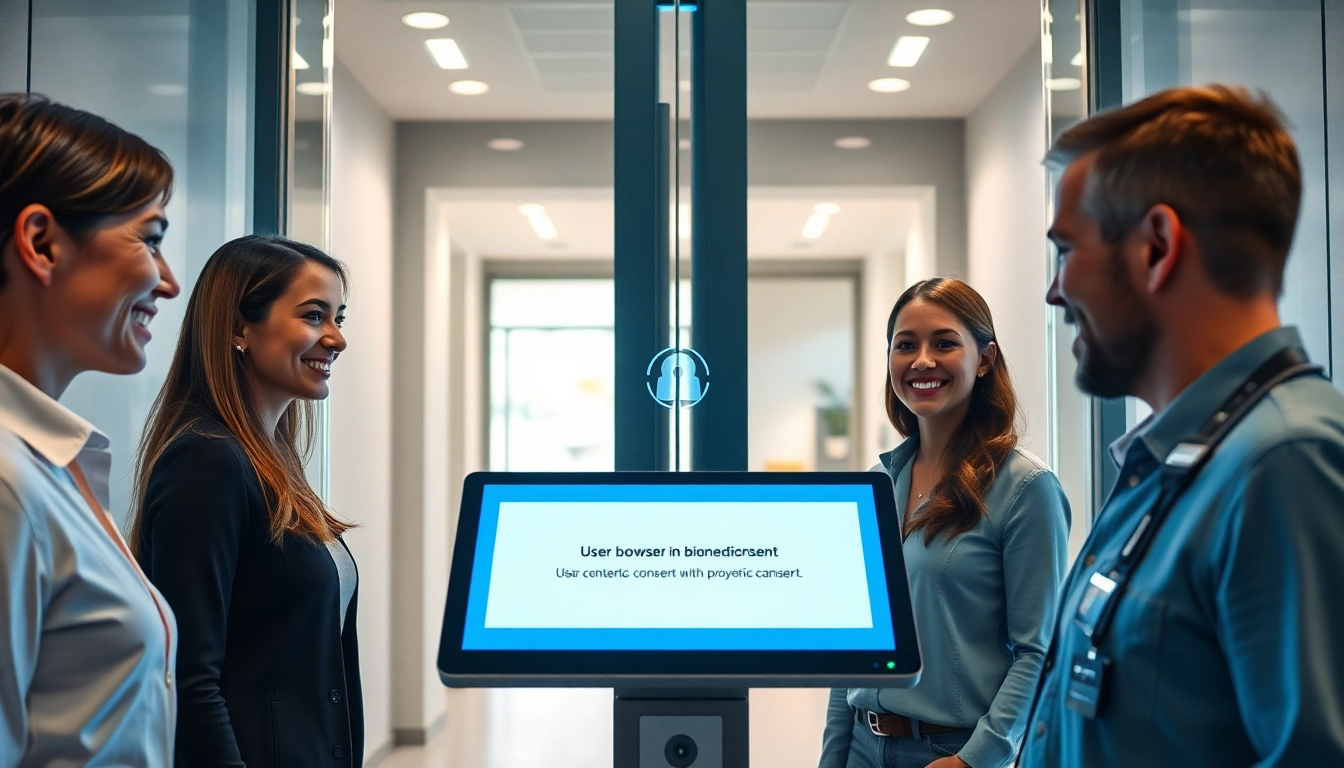
Introduction to Facial Recognition Attendance Systems
As organizations strive to enhance their operational efficiencies, the implementation of a facial recognition attendance system has gained prominence. This innovative technology not only simplifies the attendance process but also ensures accuracy and security. By leveraging biometric data, companies can reduce time theft, improve workforce management, and increase overall productivity. In the fast-paced business environment of 2026, it is critical for enterprises to adopt solutions that are both effective and respectful of employee privacy.
What is a Facial Recognition Attendance System?
A facial recognition attendance system automates the process of recording employee attendance using advanced biometric technology. When an employee arrives at the workplace, they can clock in by having their facial features scanned by a camera. This data is then matched against a stored database to confirm the individual’s identity. Unlike traditional methods, such as sign-in sheets or punch cards, facial recognition systems offer higher accuracy and eliminate manual errors.
The Technology Behind Facial Recognition
Facial recognition technology relies on algorithms that analyze various facial features, including the distance between the eyes, the shape of the jawline, and other unique characteristics. Modern systems utilize machine learning to enhance accuracy and adapt to changes over time, such as aging or changes in hairstyle. These systems can also function in diverse lighting conditions and can be deployed on standard hardware with a web browser, allowing for flexibility and ease of access.
Benefits of User-Initiated Check-Ins
User-initiated check-ins are fundamental to many facial recognition attendance systems. This method ensures that recognition occurs only when an employee explicitly chooses to clock in or out, enhancing user control over their biometric data. It fosters a feeling of security among employees, as they are aware that their facial data is processed only at their request. This intentional interaction also mitigates privacy concerns often associated with biometric tracking.
Understanding ClockInFace: A Leader in Biometric Solutions
ClockInFace stands out as a robust solution for organizations looking to implement a facial recognition attendance system. It provides a web-based platform that allows employees to check in without the need for specialized hardware or complex integrations. This ease of use is coupled with robust privacy features that prioritize user consent and transparency.
What Sets ClockInFace Apart?
What differentiates ClockInFace from other biometric solutions is its commitment to user consent and control. The system is designed to ensure that facial recognition occurs only when initiated by the user, making the process explicit and visible. Moreover, the flexibility of deployment means that organizations can utilize existing hardware, lowering costs and simplifying implementation.
Key Features of the ClockInFace System
- User-Initiated Recognition: Employees only start the recognition process when they choose to check in or out.
- Compatibility with Standard Devices: ClockInFace can be deployed on any device equipped with a modern web browser.
- Privacy-Centric Design: The system integrates user consent into the workflow, ensuring compliance with privacy laws.
- RESTful API Integration: Organizations can integrate ClockInFace’s functionality seamlessly into existing HR systems.
How to Get Started with ClockInFace
Getting started with ClockInFace is straightforward. Organizations can sign up for a free tier to evaluate the functionality and user experience before committing to a paid plan. The implementation typically involves configuring the system to align with company policies, setting up the necessary hardware, and training employees on how to use the system effectively.
Why Choose Facial Recognition for Attendance Tracking?
Facial recognition technology offers several advantages over traditional attendance methods, making it an increasingly popular choice for organizations seeking efficiency and accuracy.
Improving Accuracy and Efficiency
One of the primary benefits of facial recognition attendance systems is their accuracy. These systems reduce the likelihood of human error associated with manual attendance recording and eliminate buddy punching, where an employee clocks in for a colleague. With facial recognition, every employee’s attendance is recorded accurately and securely, leading to improved payroll management and reporting.
Reducing Management Time and Costs
Implementing a facial recognition attendance system can significantly lower administrative burdens. Automation of attendance records means that HR personnel spend less time managing timesheets and resolving discrepancies. Additionally, the reduction in time theft directly impacts the bottom line, making these systems a cost-effective choice.
Enhancing Employee Experience and Engagement
Facial recognition systems improve the employee experience by streamlining the check-in process. Employees appreciate the convenience of quickly clocking in without the need for physical cards or key fobs. This user-friendly interface fosters a positive engagement environment and encourages punctuality.
Privacy and Compliance in Biometric Attendance Solutions
While facial recognition offers numerous advantages, it is crucial for organizations to approach implementation with a focus on privacy and compliance. Ensuring that biometric data is handled responsibly is essential in maintaining trust with employees.
Addressing Privacy Concerns with Transparency
Transparency is key in addressing privacy concerns surrounding facial recognition technology. Organizations must clearly communicate how facial data will be collected, used, and stored. By implementing transparent policies and obtaining informed consent from employees, companies can alleviate fears surrounding surveillance and misuse of biometric information.
Understanding User Consent in Biometric Systems
Incorporating explicit user consent into the workflow of a facial recognition attendance system is vital. Employees should have the option to opt-in to the system, with clear explanations of how their data will be utilized. This approach not only fosters trust but is also a legal requirement in many jurisdictions that prioritize data privacy.
Compliance with Legal Standards for Data Protection
Organizations must remain compliant with local and international data protection regulations, such as the General Data Protection Regulation (GDPR) in Europe. This includes having clear policies for data retention, ensuring that biometric data is not stored longer than necessary, and providing employees with access to their information upon request.
The Future of Attendance Tracking: Trends and Innovations
As technology evolves, so do the methods used for tracking attendance. Companies that adopt innovative solutions will be better positioned in an increasingly competitive environment.
Emerging Trends in Biometric Technologies
Future advancements in biometric technology may include multi-modal systems that incorporate facial recognition along with other biometric measures, such as fingerprints or iris scans, for enhanced security. Additionally, artificial intelligence will continue to improve the accuracy and speed of recognition systems, making them more reliable and user-friendly.
Future-Proofing Your Attendance System
Organizations should consider scalability when selecting a facial recognition attendance system. As businesses grow and technology continues to evolve, the ability to adapt and integrate new features is crucial. Opting for a solution like ClockInFace, which offers a RESTful API and flexible deployment options, enables companies to future-proof their attendance tracking systems.
Case Studies: Successful Implementations of Facial Recognition Attendance
Numerous organizations have successfully implemented facial recognition attendance systems with significant results. From large corporations to educational institutions, the ability to accurately track attendance has led to improved operational efficiency and enhanced employee satisfaction. Sharing these case studies can provide valuable insights for companies considering similar transitions.