
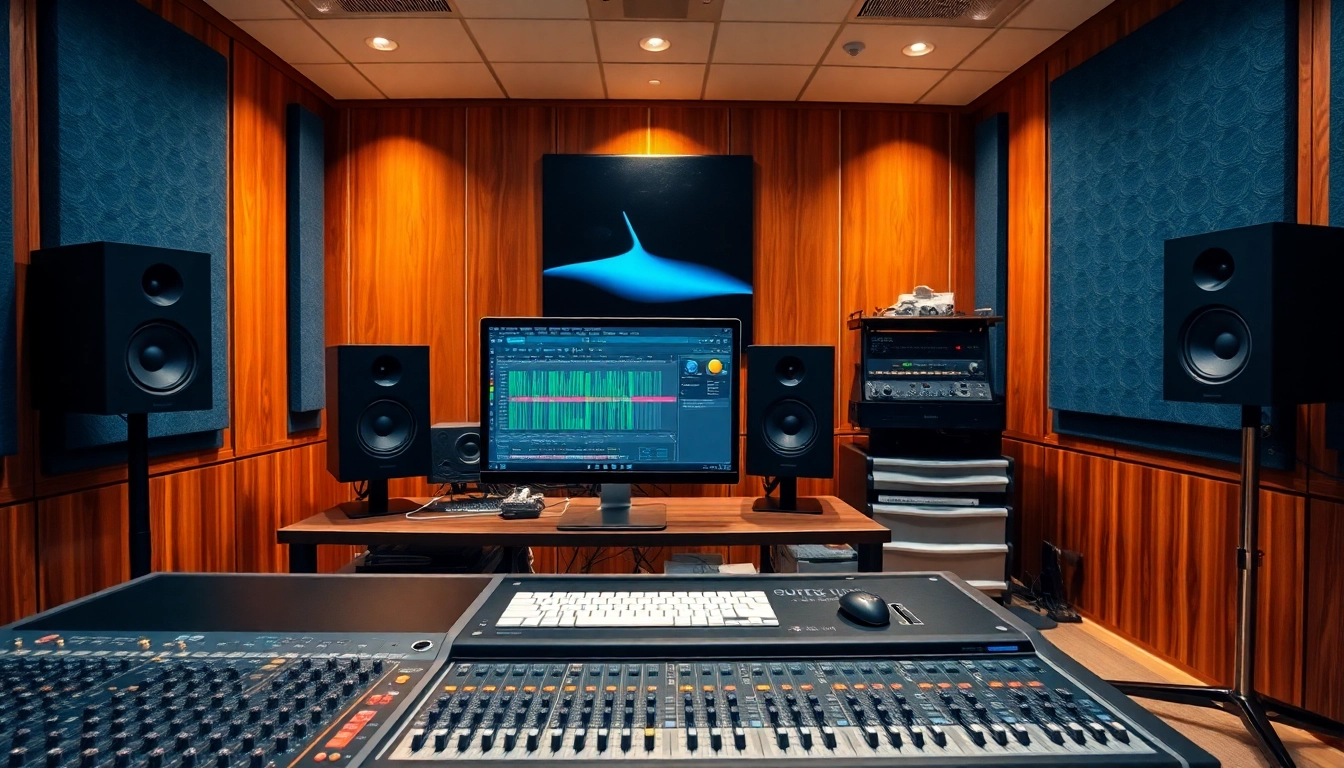
Understanding Online Mastering Services
What Are Online Mastering Services?
Online mastering services are digital platforms that provide professional audio mastering for musicians and producers. Unlike traditional mastering, which often requires in-person sessions at a studio, online mastering enables artists to submit their tracks via the internet. This model has gained popularity due to its accessibility, cost-effectiveness, and the ability to leverage advanced mastering technology without geographical constraints. By using online mastering services, creators can achieve a polished sound that is critical for commercial success.
The Process of Online Mastering
The online mastering process typically involves several crucial steps:
- Track Submission: Artists upload their mixed tracks, usually in WAV or AIFF format.
- Pre-Mastering Analysis: Many platforms offer automated analysis tools to assess the quality of the submission, checking levels, dynamics, and other technical parameters.
- Mastering Execution: Skilled engineers or sophisticated AI tools apply equalization, compression, stereo enhancement, and limiting to enhance the audio quality.
- Review Process: Customers often receive a preview of the mastered track, allowing for feedback and adjustments.
- Final Delivery: Once approved, the final master is sent back in various formats optimized for streaming, CD, or vinyl.
Benefits of Choosing Online Mastering Services
Choosing online mastering services provides numerous benefits:
- Affordability: Lower overheads compared to physical studios result in more competitive pricing.
- Convenience: With 24/7 access to services, artists can work on their schedule without appointment restrictions.
- Quality Tools: Many platforms utilize state-of-the-art mastering software and techniques that ensure high-fidelity output.
- Expertise: Access to experienced mastering engineers with diverse backgrounds and styles enhances the quality of the final product.
Key Features of Quality Mastering Platforms
Audio Quality Standards in Online Mastering
Quality should be the paramount consideration when selecting an online mastering service. Look for platforms that adhere to strict audio standards, ensuring your music is processed with precision. This often involves:
- High-Resolution Processing: Services should support high sampling rates and bit depths, delivering a clear and detailed sonic representation.
- Mastering Chain Transparency: Reputable services will disclose the tools used in the mastering chain, allowing for informed choices.
- Dynamic Range Management: Proper management of dynamics is crucial to avoid loss of energy or clarity.
User Experience and Interface
A user-friendly interface is essential for a seamless experience. Effective platforms prioritize clear navigation, straightforward submission processes, and quick access to audio previews. Features to look for include:
- Template Services: Options that automate repetitive tasks or provide mastering templates can save time.
- Progress Tracking: Features that allow artists to monitor the status of their projects are beneficial.
- Integrated Communication: Real-time chat support or comment options enhance client-artist communication.
Additional Services Offered
In addition to standard mastering, many online platforms offer value-added services, such as:
- Mixing Services: Some platforms offer professional mixing in addition to mastering, ensuring a cohesive sound.
- Artwork and Design: Services that include cover art design can simplify the release process.
- Distribution Services: Options for distributing finished tracks to streaming services can provide an all-in-one solution.
How to Choose the Right Online Mastering Service
Identifying Your Needs
Before selecting a service, understanding your specific needs is vital. Consider the following:
- Genre Compatibility: Ensure the mastering service has experience with your particular music genre.
- Level of Customization: Determine if you need personalized mastering or are comfortable with a more automated process.
- Turnaround Time: Assess how quickly you need your masters, impacting the choice of service.
Evaluating Technology and Tools
The technology employed by a mastering service can significantly influence the final product. Explore these factors:
- Software Used: Industry-standard software such as iZotope Ozone or Waves plugins can enhance mastering quality.
- Hardware Accreditations: Check if the service invests in high-end studio equipment, as this can make a substantial difference.
- AI vs. Human Mastering: Some platforms offer AI-driven mastering, but human expertise often yields better artistic results.
Comparing Pricing Models
Price can vary significantly among online mastering services. Assessing pricing models is essential:
- Flat Rate vs. Pay-per-Track: Determine which model is more cost-effective based on your project volume.
- Package Deals: Some services may offer bundles that provide significant discounts compared to individual track pricing.
- Trial Services: Look for platforms that offer trial periods or money-back guarantees to evaluate quality before significant investment.
Best Practices for Preparing Your Tracks
Mixing Tips for Effective Mastering
Effective mixing lays the foundation for successful mastering. Follow these tips:
- A/B Testing: Regularly compare your mix with reference tracks to ensure it meets industry standards.
- Leave Headroom: Keep your mix levels around -6dB to allow space for mastering enhancements.
- Use a Spectrum Analyzer: Ensure that your mix has balanced frequencies to prevent mud or harshness.
Submitting Your Music for Mastering
Once your mix is ready, proper submission is key:
- File Format: Use high-resolution formats such as WAV or AIFF.
- Metadata Inclusion: Include necessary metadata to help the mastering engineer understand the track.
- Clear Instructions: Provide any specific requests or concerns about the mix to guide the mastering process.
Monitoring Feedback and Revisions
Once you receive the mastered track, consider the following:
- Feedback Analysis: Listen critically and compare it with your mix, noting anything that feels off.
- Effective Communication: Provide clear, specific feedback to the mastering engineer to facilitate revisions.
- Trust the Process: Remember that mastering is an art, and feedback should be constructive.
Measuring Success in Your Mastering Journey
Understanding Mastering Metrics
After mastering, measure success through key metrics:
- Loudness Levels: Assess LUFS levels to ensure your track stands competitively against others.
- Dynamics Range: A balanced dynamic range contributes to engagement and listener retention.
- Frequency Response: Analyze frequency response to ensure clarity across the spectrum.
Gathering User Feedback
Feedback from listeners and peers can provide insight into your mastering quality:
- Engagement Metrics: Track how listeners respond to your release using streaming analytics.
- Crowdsource Responses: Engage with your fanbase and fellow artists to gather qualitative feedback.
- Listen in Different Environments: Test your track in various settings (car, headphones, speakers) to gauge its performance.
Evaluating Long-term Impact on Your Music Career
The ultimate measurement of your mastering journey’s success is its impact on your career:
- Career Progression: Track how well professionally mastered tracks affect your opportunities and reach.
- Brand Development: Well-mastered music contributes to a strong artist brand and reputation.
- Critical Acclaim: High-quality mastering can lead to favorable reviews and increased exposure in the industry.
FAQs About Online Mastering Services
1. What is the typical turnaround time for online mastering?
Turnaround times vary, typically ranging from 24 hours to several days, depending on the service and project load.
2. Can I submit multiple tracks for mastering?
Yes, many online mastering services allow bulk submissions or package deals for multiple tracks, often at discounted rates.
3. How do I know if my mix is ready for mastering?
Ensure your mix is polished, with balanced levels, frequencies, and dynamics. Seek feedback from trusted peers before submission.
4. Do online mastering services offer revisions?
Most services provide an option for revisions, allowing artists to request changes based on initial master feedback.
5. Is mastering different for different music genres?
Yes, different genres have distinct preferences for loudness, dynamics, and tonal balance, which mastering should accommodate.