Understanding the Basics: Silhouette vs Cricut
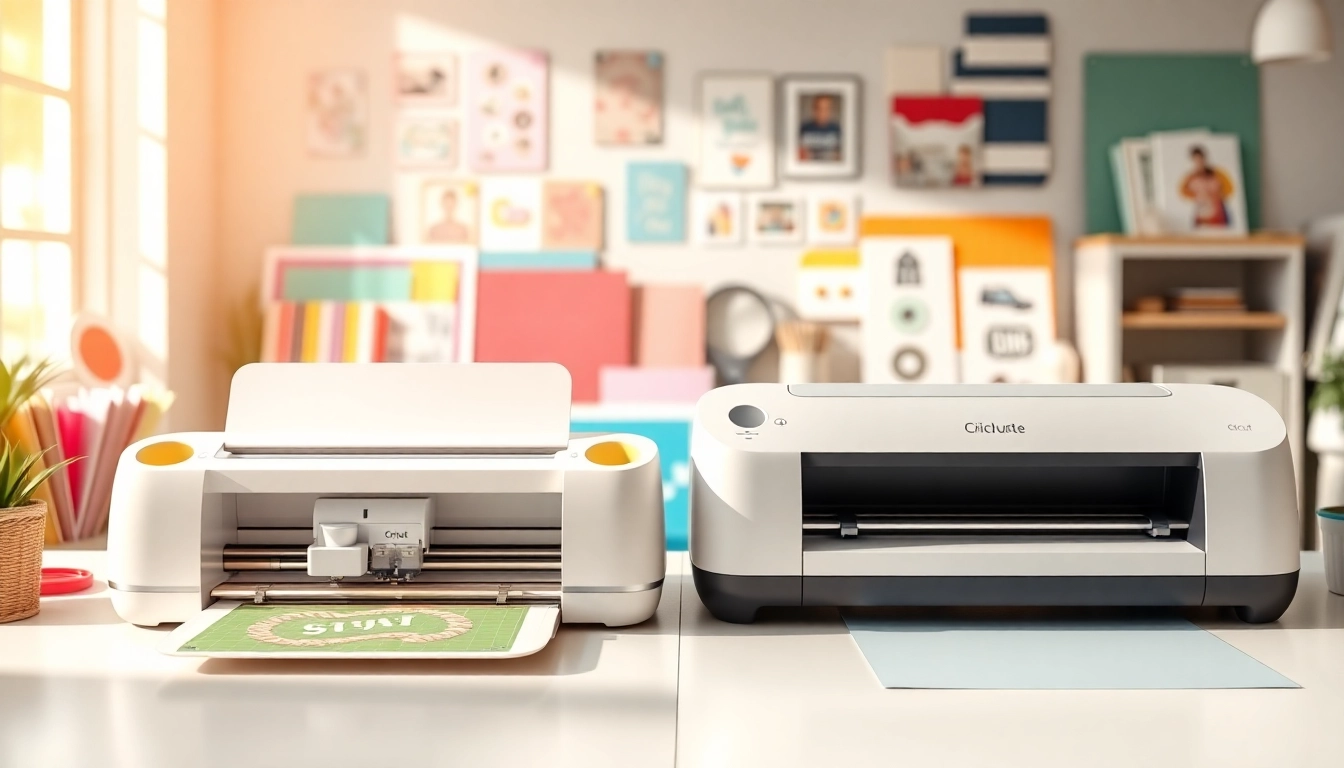
When it comes to crafting, the choice between a Silhouette and a Cricut machine can significantly influence the outcome of your projects. Both machines have gained immense popularity among crafters, but they cater to different needs and preferences. Understanding their features, benefits, and drawbacks can help you make an informed decision that aligns with your crafting style. In this article, we’ll explore the nuances of silhouette vs cricut and guide you in selecting the right machine for your creative endeavors.
1. Key Features of Cricut Machines
Cricut machines are known for their versatility and user-friendly interface. One of the standout features is their ability to cut a wide variety of materials, including vinyl, cardstock, and even fabric. The latest models, such as the Cricut Maker 3, are equipped with advanced tools that allow for complex cuts and designs.
- Smart Cut Technology: This feature allows for longer, continuous cuts without the need for a cutting mat, ideal for larger projects.
- Design Space Software: Cricut’s online design platform is intuitive and beginner-friendly, offering a vast library of images and fonts.
- Adaptive Tool System: The system supports various attachments for different project types, enhancing the machine’s functionality.
2. Advantages of Silhouette Cutting Machines
Silhouette machines, particularly the Cameo series, are favored for their design capabilities and flexibility. Silhouette Studio, the accompanying software, allows for intricate designs and has a robust set of editing tools. Here are some advantages:
- Larger Cutting Area: The Silhouette Cameo 4 offers a generous cutting area, accommodating larger designs.
- Free Software: Users can download the basic version of Silhouette Studio for free, making it accessible for crafters.
- Customizable Settings: Silhouette machines allow advanced users to adjust blade settings for different materials, promoting precision.
3. Target Audience: Who Should Choose Each?
The choice between Cricut and Silhouette often hinges on the user’s crafting experience and specific needs. Cricut is usually more suitable for beginners or casual crafters who prioritize ease of use and a seamless design experience. On the other hand, Silhouette appeals to advanced users seeking customization and versatility in their design capabilities.
Comparative Analysis: Performance and Usability
1. Cutting Precision: Cricut vs Silhouette
Both machines are renowned for their cutting precision, but they cater to different project scales. Cricut machines tend to excel in cutting thicker materials with accuracy, while Silhouette machines may offer more intricate cuts in fine details. The choice depends on your specific project requirements.
2. User Experience: Software and Interface Differences
Cricut’s Design Space is celebrated for its user-friendly interface and integration with a vast library of templates, images, and fonts. In contrast, Silhouette Studio provides more advanced features, appealing to users who want control over every aspect of their design.
Overall, Cricut may be best for those starting out, while Silhouette is better suited for users ready to dive deep into design customization.
3. Accessory Availability and Cost Comparison
When considering accessories, Cricut generally has a wider range of readily available tools and materials. However, Silhouette accessories tend to be a bit more affordable. Depending on the types of projects you undertake regularly, this could influence your final decision.
Cost Considerations: Silhouette vs Cricut Pricing
1. Initial Investment and Long-term Costs
Both Silhouette and Cricut offer several models at varying price points. For instance, Cricut Maker 3 typically retails higher compared to Silhouette Cameo 4, but the initial investment may be offset by long-term costs depending on the accessories you’ll need.
2. Understanding Accessory Pricing: Which is Cheaper?
When considering the costs of accessories, Cricut products usually come at a premium. However, Silhouette offers a multi-pack of blades and other tools at a more attractive price, which can be beneficial for frequent users.
3. Value for Money: Crafting for Hobbyists vs Professionals
A hobbyist may find Cricut machines a valuable investment due to their ease and integrated software, making projects simpler and more enjoyable. Conversely, a professional might lean toward Silhouette for its customization features and cost-effectiveness in terms of materials.
Real-world Applications: What Can You Create?
1. Popular Projects with Cricut Machines
Cricut machines are perfect for a plethora of projects, such as:
- Vinyl decals for home decor
- Custom t-shirts and apparel
- Greeting cards and scrapbooking embellishments
2. Unique Applications with Silhouette Machines
Silhouette machines shine in various creative projects, particularly where detailed designs are key:
- Intricate paper crafts and 3D models
- Custom stickers and labels
- Advanced fabric patterns for sewing projects
3. Crafting Trends: What’s Popular in 2026?
As we move further into 2026, trends are leaning towards sustainable and personalized crafting. Eco-friendly materials and custom-made items are on the rise, with both Cricut and Silhouette users exploring ways to create unique, impactful pieces while considering the environment.
Future Trends and Innovations in Crafting Machines
1. Emerging Technologies in Cutting Machines
As technology evolves, the crafting world is seeing exciting advancements. Expect to see more smart features in both Silhouette and Cricut machines, including enhanced AI capabilities for design suggestions based on user preferences.
2. Predictions for Silhouette and Cricut Evolution
In the coming years, we anticipate both brands will expand their machine capabilities to include even broader material compatibility, improved speed, and more precise cutting methods. This evolution will likely cater to a growing market of serious crafters looking for versatility.
3. Consumer Needs: What Will Be Next in Crafting Machines?
Consumers are increasingly looking for machines that blend functionality with creativity. Future innovations may prioritize ease of use, affordability, and adaptability to various crafting styles. Brands that recognize and respond to these needs will likely thrive in a competitive market.