
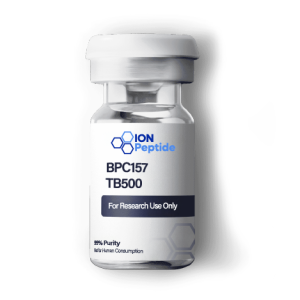
Introduction to Peptide Therapeutics
What are Peptides?
Peptides are short chains of amino acids, typically consisting of 2 to 50 amino acids, which are the building blocks of proteins. They play crucial roles in various biological functions within living organisms, including acting as hormones, neurotransmitters, and components of the immune system. What makes peptides particularly interesting in medical and therapeutic contexts is their ability to interact with body cells, often triggering a series of physiological responses that can lead to healing and recovery.
Importance in Medicine
The medical community has increasingly recognized the significance of peptides in understanding bodily functions and developing innovative treatments. Peptide therapeutics have emerged as promising alternatives to traditional medicines due to their specificity and ability to target certain conditions without the broad effects often seen with pharmacological drugs. Their natural origins generally result in fewer side effects, making them appealing options in healthcare.
Overview of BPC157
One such peptide gaining attention for its therapeutic potential is BPC157. Known as body protection compound 157, this peptide is derived from a protein found in human gastric juice. It has shown potential benefits in enhancing tissue repair, reducing inflammation, and promoting recovery from injuries. Research into BPC157 continues to unveil its mechanisms, implications, and expansive therapeutic applications in various medical fields.
Mechanisms of Action
How Peptides Work in the Body
Peptides exert their effects by binding to specific receptors on cells, this triggering a cascade of intracellular events. This mechanism allows peptides like BPC157 to influence cellular processes such as growth, proliferation, and healing. The signaling pathways activated by peptides can lead to various biological responses, facilitating processes like angiogenesis, collagen synthesis, and anti-inflammatory actions.
The Role of BPC157 in Healing
BPC157 has garnered particular interest for its role in healing wounds and injuries. Several studies have indicated that this peptide promotes tendon and ligament healing by enhancing fibroblast migration and proliferation, essential for tissue repair. Moreover, BPC157 appears to modulate nitric oxide, which can improve blood flow to damaged areas, increasing the resources available for healing processes.
Future Research Directions
Ongoing research into BPC157 and other peptides focuses on broadening our understanding of their mechanisms, safety profiles, and potential applications in different medical scenarios. As techniques improve and novel peptide analogs are developed, we may uncover even more transformative uses for these compounds in regenerative medicine, athletics, and chronic disease management.
Benefits and Uses of BPC157
Potential Therapeutic Applications
Research into BPC157 has revealed its versatility in treating a variety of conditions. Its anti-inflammatory properties make it a potential candidate for treating inflammatory bowel diseases, while its wound healing capabilities suggest efficacy in surgical recovery and sports injuries. Additionally, BPC157 has shown promise in conditions like chronic pain and even in neurological contexts, promoting neuroprotection and recovery after traumatic brain injuries.
Impact on Recovery and Performance
Athletes and individuals engaged in high-performance sports are particularly interested in BPC157 due to its potential to expedite recovery from strenuous workouts and injuries. Many user testimonials point to improved recovery times, reduced soreness, and enhanced overall performance when incorporating BPC157 into their routines. These effects may stem from the peptide’s ability to stimulate muscle growth and repair.
User Experiences and Testimonials
Feedback from users of BPC157 has been largely positive, with many reporting significant improvements in healing time for injuries and overall physical performance. Users often share their experiences with BPC157 treatment protocols in forums, highlighting enhanced pain management and quicker return to activities following injuries. However, individual experiences can vary, and it’s essential to approach supplementation with informed caution.
Safety and Regulations
Understanding Side Effects
While BPC157 is generally regarded as safe for use, research into its long-term effects is still developing. Some individuals may experience side effects, including mild irritation at the injection site or transient headaches. It is crucial that potential users consult healthcare professionals before beginning any peptide therapy, especially those with underlying health conditions or on medications.
Legal Status of BPC157
The legal landscape surrounding peptide therapies, including BPC157, varies by country and region. Often classified as a research chemical or supplement rather than an approved pharmaceutical, BPC157 may not yet be available for clinical use in all areas. It is essential for users to be aware of their local regulations and ensure they procure peptides from reputable sources.
Best Practices for Usage
For individuals considering BPC157, adhering to best practices is critical for safety and efficacy. Dosing should be handled carefully, preferably under medical supervision, and individuals should always prioritize obtaining high-quality peptides. Additionally, maintaining a healthy lifestyle and following recovery protocols can enhance the benefits of peptide therapies.
Conclusion and Future of Peptide Research
Emerging Trends in Peptide Science
As research technology evolves, the field of peptide science continues to grow, revealing innovative applications and deeper knowledge of peptide mechanisms. The exploration of new peptides and their derivatives promises to expand available treatments for a range of medical issues, possibly leading to breakthroughs in personalized medicine approaches and therapies.
Implications for Healthcare Improvements
The impact of peptides like BPC157 on healthcare could be profound. With their potential to improve recovery times, enhance healing, and provide alternatives to traditional treatments, peptides present exciting opportunities in patient care across various medical sectors. The integration of peptide therapy into standard practices could revolutionize approaches to rehabilitation and chronic disease management.
Call to Action: Stay Informed
For those interested in the world of peptides, staying current with ongoing research and developments is essential. Engaging with reliable sources of information, experiencing the outcomes of BPC157, and discussing options with healthcare professionals can guide effective and safe incorporation of peptide therapies into personal health strategies. The future of peptide therapeutics is bright, and informed individuals can play a role in shaping its trajectory.
Frequently Asked Questions
What is BPC157 used for?
BPC157 is used primarily for its potential healing properties, aiding in recovery from injuries, reducing inflammation, and enhancing tissue repair.
Is BPC157 safe for everyone?
While generally considered safe, individual responses vary. Consulting a healthcare professional is advised before use, especially for those with health concerns.
How is BPC157 administered?
BPC157 is typically administered via subcutaneous or intramuscular injections. Proper techniques ensure maximum efficacy and safety.
Can athletes use BPC157?
Athletes often use BPC157 for its potential to enhance recovery and reduce downtime from injuries, contributing to improved performance.
What side effects can BPC157 cause?
Common side effects may include mild injection site irritation and headaches, although most users report minimal to no adverse effects.