Understanding Bench Power Supplies for PCB Testing
Bench power supplies are essential tools in the world of electronic testing, particularly for PCB (Printed Circuit Board) prototyping and troubleshooting. As you experiment and innovate in this dynamic field, the quality of your power supply can significantly impact the performance and reliability of your projects. A reliable bench power supply for PCB testing should provide stable voltage and current, which ensures that components receive precisely the energy they require to function correctly.
What is a Bench Power Supply?
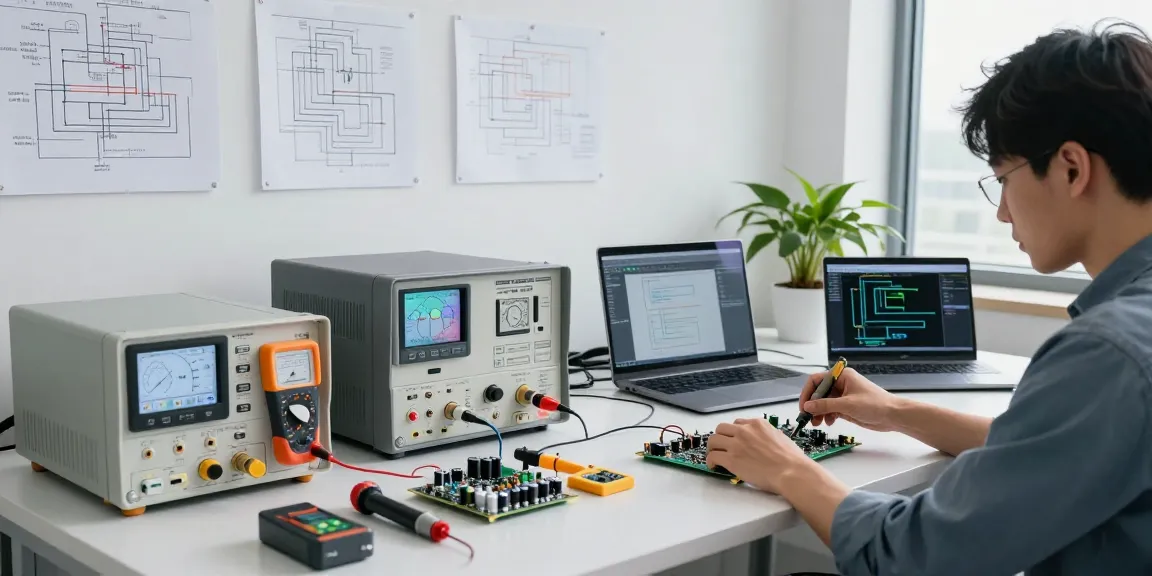
A bench power supply is a versatile electronic device used to supply adjustable voltage and current to circuits. These supplies are vital in laboratories, educational institutions, and workshops where electronic devices are tested or developed. Unlike batteries, bench power supplies allow users to adjust output levels with precision and monitor the power supplied to components.
Key Features of High-Quality Bench Power Supplies
- Adjustable Voltage and Current: These power supplies must be capable of delivering a range of voltage and current levels, accommodating various component specifications.
- Programmability: Modern power supplies often feature programmability, enabling users to set specific voltage and current limits, automate testing procedures, and save configurations for repeated use.
- Display Readouts: A reliable display is crucial for monitoring real-time voltage and current outputs. Quality models often feature digital screens that provide clear readouts.
- Protection Features: High-quality units come equipped with safety features like overload protection, short circuit protection, and thermal shutdown, which safeguard both the supply and the connected components.
Common Use Cases in PCB Testing
Bench power supplies find application in a variety of tasks, especially in PCB testing scenarios:
- Functional Testing: Ensuring that a PCB operates correctly at specified voltage and current levels.
- Powering Prototypes: Supplying power to prototypes during development facilitates real-time testing and debugging.
- Charging Capacitors: Power supplies can be used to charge capacitors to specific voltages during circuit tests.
- Simulation of Battery Operation: They can simulate how a PCB will react when powered by a battery, enabling developers to anticipate performance issues.
Selecting the Right Bench Power Supply for Your Needs
Choosing the right bench power supply is crucial for optimising your PCB testing experience. Several factors should be taken into account to ensure you select the best model for your specific requirements.
Assessing Voltage and Current Requirements
Before purchasing a bench power supply, you must determine the voltage and current requirements of the components you will be working with. Power supplies typically range from low output (1-5V) to high output (up to 60V or more) and current outputs from milliamps to several amps. Knowing the specifications of your PCB will guide you in selecting a supply that meets these needs.
Comparing Fixed vs. Programmable Power Supplies
Deciding between fixed and programmable supplies hinges on your specific application requirements:
- Fixed Power Supplies: These units provide a constant voltage and current output and are suited for simpler, repetitive tasks.
- Programmable Power Supplies: Offering greater flexibility, these units allow users to set, save, and recall specific configurations, making them ideal for complex testing scenarios.
Evaluating Features: Overload Protection and Programmability
It’s essential to consider safety features, such as overload protection, short circuit prevention, and programmable settings. Overload protection shields your PCB from excessive voltage and current, while programmability can enhance testing efficiency and accuracy.
Setting Up Your Bench Power Supply for Optimal Performance
Once you have selected a suitable bench power supply, the next step is to set it up correctly to ensure it performs optimally during PCB testing.
Best Practices for Wiring and Connections
Ensure that all connections are secure and correctly configured before powering on the unit. Use appropriate gauge wires to handle the current flowing through your system, and double-check polarity to avoid damaging components.
Calibrating Your Power Supply for Accurate Readings
Calibration ensures that the output voltage and current readings are accurate. Regular calibration against known standards is advisable to maintain reliability in testing results.
Safety Protocols During PCB Testing
Implementing robust safety protocols is essential to prevent accidents or equipment damage. Always ensure that the supply is switched off before making adjustments, and use personal protective equipment (PPE) when necessary. Additionally, familiarise yourself with the emergency shutdown procedures for the power supply.
Common Challenges and How to Overcome Them
Even experienced users can face challenges while using bench power supplies. Knowing how to troubleshoot effectively can save time and resources.
Dealing with Voltage Fluctuations
Voltage fluctuations can lead to inconsistent results during testing. Using a power supply with a high current output and proper regulation can help mitigate these fluctuations and provide stable power to your PCB.
Identifying and Solving Ground Loop Issues
Ground loops can introduce noise into your circuit, affecting performance. Using isolated power supplies or ensuring all components share a common ground can help resolve these issues.
Tips for Avoiding Short Circuits
Regularly inspect your connections and wiring to prevent short circuits. Implementing circuit protection devices like fuses can help safeguard your equipment against accidental shorts.
Future Trends in Bench Power Supplies and PCB Testing
The landscape of electronic testing is evolving, driven by advances in technology and new industry needs. Understanding these trends can help you stay ahead in your projects.
Emerging Technologies in Power Supply Design
Power supply technology is continuously improving. Look for features such as real-time monitoring, enhanced efficiency, and new materials that reduce size while increasing performance.
Integration with IoT and Smart Devices
As smart devices and IoT applications proliferate, the demand for versatile power supplies that can interface with these technologies will increase. Expect bench power supplies to offer enhanced connectivity and control options.
What to Expect in 2026 and Beyond
By 2026, expect bench power supplies to feature more advanced programmability, automation capabilities, and integration into broader electronic systems. Developments such as cloud connectivity for remote monitoring and management may become standard.
What safety protections should I look for in a bench power supply?
Look for features like overload protection, short circuit protection, and thermal shutdown mechanisms. These protections are essential for ensuring the safety of both the power supply and the connected devices.
Can I use multiple bench power supplies for complex testing?
Yes, using multiple bench power supplies can help provide distinct voltage and current levels for different parts of a complex circuit. Just ensure they’re properly isolated to prevent interference.
How can I ensure longevity in my power supply unit?
Keep your bench power supply clean, ensure proper ventilation, and regularly maintain the unit. Following manufacturer guidelines for usage and calibration will also enhance longevity.
What are common troubleshooting techniques for bench power supplies?
Common techniques include checking connections, replacing fuses, ensuring no component overheating, and recalibrating the device. Keeping detailed records of tests can also assist in identifying recurring issues.
Is it necessary to use a programmable bench power supply?
While a fixed supply may suffice for many applications, a programmable bench power supply provides flexibility and convenience, especially for complex testing scenarios where precise control of voltage and current is critical.